![]() |
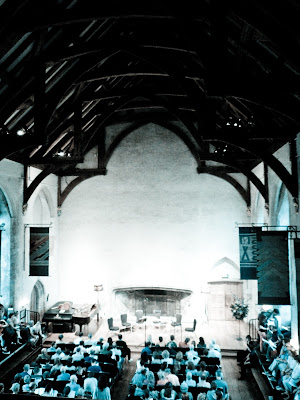
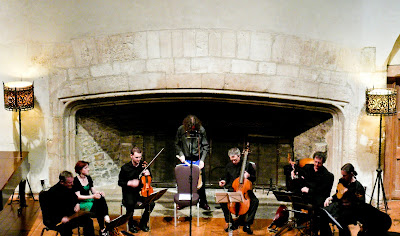
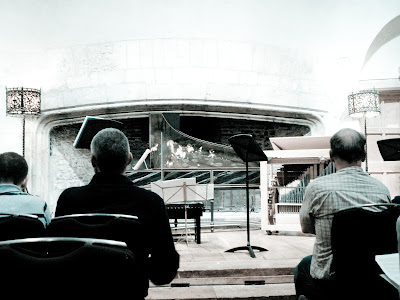
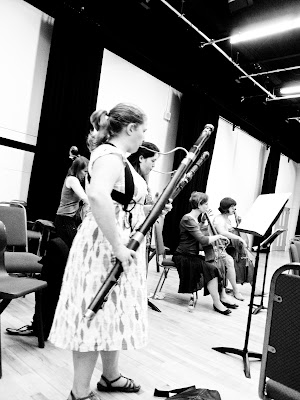
| From Dartington, UK 2010 |
Showing posts with label Master Class. Show all posts
Wednesday, 4 August 2010
Thursday, 15 July 2010
RCM International Festival of Viols 2010
RCM International Festival of Viols
With Jordi Saval and Christophe Coin
Tuesday 23 and Wednesday 24 November
The Historical Performance department at the Royal College of Music is delighted to announce details for the 4th International Festival of Viols. This year's two-day festival features the wonderful Kessler English viols from the 17th century, as well as masterclasses and recitals by Jordi Savall and Christophe Coin.
Supported by Linda Hill
Programme of Events
TUESDAY 23 NOVEMBER
Viol Masterclass with Jordi Savall
10.00am I Amaryllis Fleming Concert Hall
Tickets: Free but tickets required
Bach and the Viol & La Voix Humaine: the unaccompanied bass viol
2.00pm I Inner Parry Room
Lectures by Richard Boothby and Dr Lucy Robinson
Tickets: Free but tickets required
La Voix Humaine: the unaccompanied bass viol
6.00pm I Amaryllis Fleming Concert Hall
Jordi Savall bass viol
A special solo recital.
Tickets: £5, £8
WEDNESDAY 24 NOVEMBER
Viol Masterclass with Christophe Coin
10.00am I Amaryllis Fleming Concert Hall
Tickets: Free but tickets required
Lectures and classes
2.00pm I Durrington Room
Tickets: Free but tickets required
Recital by Christophe Coin
6.00pm I Amaryllis Fleming Concert Hall
Tickets: £5, £8
Wednesday, 14 July 2010
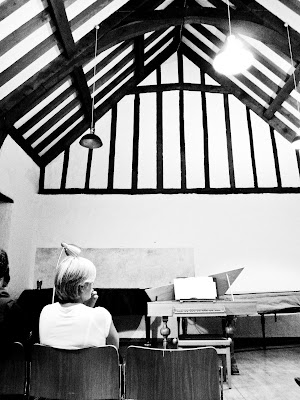
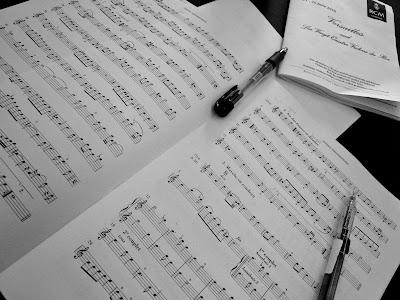
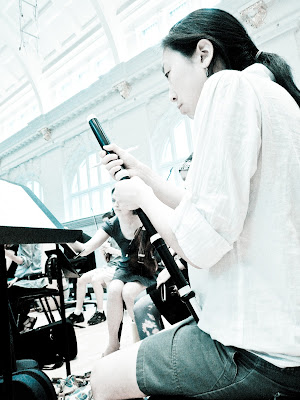
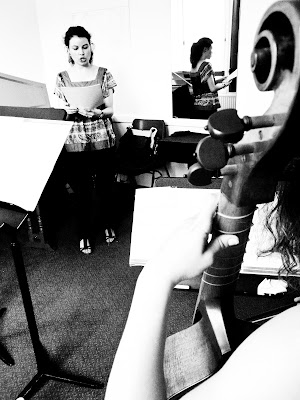
24 Violons du Roi - Versaille at RCM, 2010
![]() |
| From Concerts in UK, 2010 |
Orchestra part.

Sir Roger Norrington

Orchestra Rehearsal at RCM Concert Hall


Monteclair Cantata Rehearsal


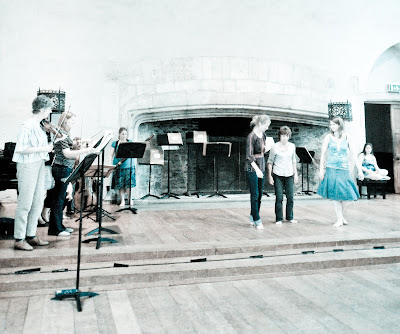
Baroque Dance Workshop with Lady Kay Norrington


Sir Roger Norrington

Orchestra Rehearsal at RCM Concert Hall

Orchestra Rehearsal at RCM Concert Hall

Monteclair Cantata Rehearsal

Monteclair Cantata Rehearsal

Baroque Dance Workshop with Lady Kay Norrington

Baroque Dance Workshop with Lady Kay Norrington

Baroque Dance Workshop with Lady Kay Norrington
Thursday, 8 January 2009
2008 Baroque Dance Workshop in RCM, Part 2
Performed by Mary Collins
Sarabande, performed by Marry Collins
Friday, 12 December 2008
Tuesday, 2 December 2008
A celebration of Francois Couperin
.bmp)
A celebration of Francois Couperin (1668-1733)
Florilegium and students form the Historical Performance department
Recital Hall, 6 pm 21 November 2008
La Francoise from Las Nations - Allemande, Gigue
L'Art de Toucher le Clavecin - Prelude in Bb major
Sixieme Concert from Les Gouts Reunis - Sarabande
Septieme Concerto from Les Gouts Reunis - Allemande
La Francoise - Air & vivement, Couantes I & II
Premier Concerto from Les Gouts Reunis - Prelude, Sarabande
Le Reveil-martin from Livre I Ordre IV
L'Espagnole from Les Nations - Allemande, Gavotte
La Regente ou la Minerve form Livre III Ordre XV
Treixieme Concert in G from Les Gouts Reunis
L'Art de Toucher le Clavecin - Prelude in E minor
La Francoise from Les Nations - Chaconne
Wednesday, 29 October 2008
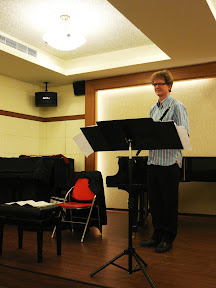
2008 Peter Lloyds' Master Class in RCM
| From Life in London, 2008 |
2008 Peter Lloyds' Master Class at RCM
Mozart: Concerto in D, KV.314
Dynamics -> Do what the composer suggests to do (delete the dynamics, see harmony)
Theme 1: 第一個Trill要從上方音開始才會有偶數音群(不然會不協調)
Theme 2: 俏皮,不要太慢
姿勢:
要和譜架有一支長笛的距離,才不會壓迫喉嚨影響音色
Don't move around -> 會妨礙演奏 (例如:dynamics)
Open shoulders
Keep fit -> be able to use the muscle around the waist
呼吸:像是打哈欠 (放鬆保持喉嚨位置低)
J.S. Bach: Sonata in e minor, BWV 1034 Mov.I
Play the continuo part.
音色保持在中段 (不要位置太高或太接近喉嚨)-> Gentle sound.
Minimize the vibrato.
Short Phrases.
倚音 -> more heart.
Sunday, 12 October 2008
2008 William Bennette's Master Class in RAM
| From Life in London, 2008 |
Oct. 2 2008 in RAM
Villa Lobos: Jet Whistle
Mov.I
Cello -> Like the sound of train, strong.
Flute -> Keep it going.
More like a piece for flute and guitar.
High (A-)E fingering: add right trill key -> to keep it safe.
Mov.III
Need to copy and cut the score -> 減少譜量(最後重複部分也可視為反覆加Coda直接剪掉 XD)
High A -> 強+快抖音(如果抖不快可以使用右手中指trill製造抖音效果 XD)
Poulenc: Sonata
Mov.I
前三句:p-mf-f ->Rampal Edition的強弱記號較為正確(經過作曲家確認)
第一音不要停在上面
mm.73-75 要聽到F-G-C-F-E flat-D-C
mm.76-77 要聽到F-A-C
Practice:
midle F-G-A-Bb-C-Bb-A-G-F
midle F.....high F-G with diminuendo
midle F-high F-high E with diminuendo
Mozart: Andante
Not too slow (Andante->walking)
mm.39 High Eb fingering:Ab + right trill key and control the vibrato
mm.45 Use sharp C# fingering
Boehm Cadenza:
Singer cadenza
more tense
Prokoiev: Sonata
The first not should begin before (a little) the piano. (一開始稍微漸強)
(Rehearsal Number) 1: not in exact time
mm.4 before (rehearsal number)2: F-E-E-D (I Love You~)
mm.3 after (Rehearsal Number) 2:
High G# fingering: 需要偏高 ->1345 235
Moquet: La Flute de Pan
High E fingering: 12345 5+ left trill key
A-G#-A-E (Say I Love You~)
調音:
勿背對聽眾調音(他認為這樣太美國風格的粗魯了 XD)
調低A-中A-低A大聲,再調同樣的音小聲吹
Saturday, 27 September 2008
2008 Paul Edmund-Davies' Master Class at RCM Notes
| From Life in London, 2008 |
Sep 25 2008 at RCM
Baroque Music or Orchestral extracts
Telemann: Fantasy No.2
Never play at the same time -> improvisation.
Trio speed:
Baroque -> slow
Accustic in a large place -> slow.
pitch of the higher note -> slightly higher.
Mahler: Song of the earth
(手指靠近鍵 -> 練習手指不離開鍵)
Life fading away -> ghost-like both sound and body.
Finger practice:
G-A-G-A-G (G使用正常指法,A加上左手小指)->練習左手無名指肌肉獨立
Strauss: Salome
Articulate between lips(like lizards) -> softer sound.
Ravel: Daphnis et Chloe
Relaxed throat position:
Say "Ah~" (as a very unintelligent person) with a hand on the bottom of the neck.
Breath exercise: push stomach out and the air will flow in.
Don't keep air in cheeks.
Beethoven: Symphony No.3 Mov.IV
高F指法:左124 右245 (多加上無名指->for the pitch and easy to come out)
高F trio: 左124 右245 ->同時動左手大拇指和右手食指
Staccatto in Beethoven's time -> a little pressure.
Throat fluttter:
1. Throat relaxed.
2. Use stomach to push the air out (like dogs barking.)
3. Extend it.
C.P.E. Bach: Sonata in a minor
Not so many dynamics but texture.
Legato tonguing:
Tongue close to the point -> avoid extra sound, e.g. J.S. Bach Partita BWV 1013, Anderson Op.15 No.9.
Monday, 16 June 2008
Harrie Starreveld Master Class Pic & Notes
20080410 在國立台北教育大學舉辦
音色方面:
長笛音色主要分成base和overtone二大部分,base太多容易聽起來無趣,overtone太多聲音容易消失,要注意二者平衡。方法是:1)將喉嚨放低;2)腹部支撐;3)移動下顎,可以多作以同指法吹出不同音高,以及泛音兩種練習。
高音抖音小心不要過度使用喉嚨,放鬆到吹紙片會自然振動的程度最佳。
姿勢方面:
肩膀向後,收下巴,膝蓋和髖部放鬆,想像身體內部極胖!
右手靠右,小指會較為放鬆,可以先將小指放在C鍵上,再決定大拇指擺放位置。
呼吸方面:
因為動物生存本能害怕窒息,大腦會傳送「要沒氣了」的錯誤指令,其實肺內部通常都還有氣(大師說他經常叫學生沒氣之後數1-10,只要還能講話就表示肺部還有氣,而且常常都可以數到超過 XD)。
呼吸練習:
吸飽氣後,用"f"嘴形吐氣(這樣可以聽到吐氣的聲音),讓橫隔膜慢慢向上(順序為髖部→後腰→橫隔膜),吐到完全沒氣之時,閉氣3秒,然後放開,空氣會自動進入肺部(肋骨張開後腰向後),再重頭練習。
上課之外,其實先表演了全世界首支泛音長笛、日本尺八和中國唐代笛子等樂器,超厲害真的很棒!講座結束後還慷慨把樂器借給留下來的學生們吹吹看,很有趣喔~
Wednesday, 14 May 2008
Trevor Wye Master Class & Concert 2008
據說很有可能是他最後一次來台了(畢竟他年事已高),報名買票要趁早!
崔佛懷音樂會 Flutes fantastic!
時間:2008.08.30(Sat) 19:30
地點:台北縣蘆洲市功學社音樂廳 (台北縣蘆洲市中山二路162號2F)
鋼琴/ 徐嘉琪 協演/ 謝宜秦
曲目:
Telemann/ Trio Sonata in G minor
Couperin /Three pieces for flute damour and piano
The Carnival of Venice…等
*主辦單位保留節目異動權
票價:NT300
學生、兩廳院之友9折、功學社之友85折(團體10張9折,20張8折)
長笛大師班研習營
時間:2008.09.1(Mon) ~ 2008.09.07(Sun)
地點:台北縣蘆洲市功學社音樂廳 (台北縣蘆洲市中山二路162號2F)
參加人數:研習生-16人、旁聽生:30人/天
地點:台北縣蘆洲市功學社音樂廳 (台北縣蘆洲市中山二路2F)
參加費用:
研習生-NT15000(七天)
旁聽生:NT500(一天)
*9/6(六)晚間學生音樂會免費入場(會後Party歡迎一同參與)
9/7(日)開放旁聽不收費
報名優惠:
研習生-贈送Trevor Wye Orchestral Flute Practice Book1
七月底前報名贈送Flute Fantastic!音樂會門票(2008.8.30)兩張
旁聽生-七月底前報名六天(9/1-9/6),贈送Flute Fantastic!音樂會門票(2008.8.30)一張(送完為止)
報名截止日期:即日起至8月15日止。
報名專線:02-22825151#3312 洪小姐
相關訊息請參閱Trevor Wye 2008系列活動官方Blog http://www.wretch.cc/blog/trevorwye
報名方式:
請填妥報名表,並與匯款/轉帳單據傳真完成報名,以利作業,謝謝!
戶名:財團法人双燕文化基金會 中國信託商業銀行(822)-三重分行
帳號:060540179402
傳真號碼:22887093 連絡電話:02-22825151#3312 洪小姐
相關文章:
2007 Trevor Wye Master Camp
崔佛懷音樂會 Flutes fantastic!
時間:2008.08.30(Sat) 19:30
地點:台北縣蘆洲市功學社音樂廳 (台北縣蘆洲市中山二路162號2F)
鋼琴/ 徐嘉琪 協演/ 謝宜秦
曲目:
Telemann/ Trio Sonata in G minor
Couperin /Three pieces for flute damour and piano
The Carnival of Venice…等
*主辦單位保留節目異動權
票價:NT300
學生、兩廳院之友9折、功學社之友85折(團體10張9折,20張8折)
長笛大師班研習營
時間:2008.09.1(Mon) ~ 2008.09.07(Sun)
地點:台北縣蘆洲市功學社音樂廳 (台北縣蘆洲市中山二路162號2F)
參加人數:研習生-16人、旁聽生:30人/天
地點:台北縣蘆洲市功學社音樂廳 (台北縣蘆洲市中山二路2F)
參加費用:
研習生-NT15000(七天)
旁聽生:NT500(一天)
*9/6(六)晚間學生音樂會免費入場(會後Party歡迎一同參與)
9/7(日)開放旁聽不收費
報名優惠:
研習生-贈送Trevor Wye Orchestral Flute Practice Book1
七月底前報名贈送Flute Fantastic!音樂會門票(2008.8.30)兩張
旁聽生-七月底前報名六天(9/1-9/6),贈送Flute Fantastic!音樂會門票(2008.8.30)一張(送完為止)
報名截止日期:即日起至8月15日止。
報名專線:02-22825151#3312 洪小姐
相關訊息請參閱Trevor Wye 2008系列活動官方Blog http://www.wretch.cc/blog/trevorwye
報名方式:
請填妥報名表,並與匯款/轉帳單據傳真完成報名,以利作業,謝謝!
戶名:財團法人双燕文化基金會 中國信託商業銀行(822)-三重分行
帳號:060540179402
傳真號碼:22887093 連絡電話:02-22825151#3312 洪小姐
相關文章:
2007 Trevor Wye Master Camp
Thursday, 8 May 2008
BFS International Convention 2008
Place:
The Royal Northern College of Music
124 Oxford Road, Manchester, M13 9RD
Director: Trevor Wye
Recitalists:
Sharon Bezaly, Denis Bouriakov, Wissam Boustany, Rachel Brown, Ian Clarke, Philippa Davies, Robert Dick, Marianne Gedigian, Marco Granados, Adrianne Greenbaum, Timothy Hutchins, Barthold Kuijken, Rhonda Larson, Jaime Martin, Lorna McGhee, Amy Morris, Nikos Nikopoulos and Georgia Xagara, harp, Andrea Oliva, Daniel Pailthorpe and Jonathan Snowden.
Special Guests: Michel Debost, Walfrid Kujala and William Bennett.
Ethnic Flutes: Elizabeth Reian Bennett, shakuhachi.
The Convention will encompass a Piccolo Symposium whose contributors both as soloists and speakers include Matjaz Debeljak, Walfrid Kujala, Stewart McIlwham, Christine Erlander Beard, Lior Eitan and Patricia Morris
Flute Group Recitalists include Quintessenz, London Flutes and Vieri Bottazzini with his All Flutes Chamber Orchestra
Big Flute Recitalists: Chris Potter, Carla Rees and Matthias Ziegler
Special Presentations: Steve Kujala demontrates The Keyless Flute and Gregory Pattillo a Beat Boxing session
Jazz contributors: Lulu. (Haruka Okubo) and Steve Kujala
Pianists: Timothy Carey and Richard Shaw
Lectures/talks/demontrations: Arthur Haswell, Niall O'Riordan, Helen Spielman, Stuart Scott, Liz Taylor, Ian McLauchlan, Denis Verroust and Emma Williams
Delegates Flute Choirs: Atarah Ben Tovim & Julie Wright
資料來源:
The British Flute Society
The Royal Northern College of Music
124 Oxford Road, Manchester, M13 9RD
Director: Trevor Wye
Recitalists:
Sharon Bezaly, Denis Bouriakov, Wissam Boustany, Rachel Brown, Ian Clarke, Philippa Davies, Robert Dick, Marianne Gedigian, Marco Granados, Adrianne Greenbaum, Timothy Hutchins, Barthold Kuijken, Rhonda Larson, Jaime Martin, Lorna McGhee, Amy Morris, Nikos Nikopoulos and Georgia Xagara, harp, Andrea Oliva, Daniel Pailthorpe and Jonathan Snowden.
Special Guests: Michel Debost, Walfrid Kujala and William Bennett.
Ethnic Flutes: Elizabeth Reian Bennett, shakuhachi.
The Convention will encompass a Piccolo Symposium whose contributors both as soloists and speakers include Matjaz Debeljak, Walfrid Kujala, Stewart McIlwham, Christine Erlander Beard, Lior Eitan and Patricia Morris
Flute Group Recitalists include Quintessenz, London Flutes and Vieri Bottazzini with his All Flutes Chamber Orchestra
Big Flute Recitalists: Chris Potter, Carla Rees and Matthias Ziegler
Special Presentations: Steve Kujala demontrates The Keyless Flute and Gregory Pattillo a Beat Boxing session
Jazz contributors: Lulu. (Haruka Okubo) and Steve Kujala
Pianists: Timothy Carey and Richard Shaw
Lectures/talks/demontrations: Arthur Haswell, Niall O'Riordan, Helen Spielman, Stuart Scott, Liz Taylor, Ian McLauchlan, Denis Verroust and Emma Williams
Delegates Flute Choirs: Atarah Ben Tovim & Julie Wright
資料來源:
The British Flute Society
Tuesday, 6 May 2008
Summer School of Early Music 2008 古樂夏令營
Summer School of Early Music focuses on the interpretation of music from older periods, mainly Medieval, Renaissance and Baroque Music.
The workshop takes place every July in beautiful South Bohemian town Prachatice (130 km south from Prague, 200 km north-west of Vienna). In 2008 we will be there for the 10th time, until 1998 the course took place in Bechyně.
The programme of the course includes individual lessons, group teaching of techniques, ensemble playing, listening workshops, lectures, and concerts of lecturers and participants.
Every year we have about 15 classes led by leading Czech and world players and teachers.
Summer School of Early Music is organized by Sdružení pro českou hudbu a umění.
Classes and lecturers of the Summer School of Early Music 2008:
From 6th – 13th July 2008
by
Peter Holtslag Recorder, Baroque flute
Carin van Heerden Recorder, Baroque oboe
Alan Davis Recorder
Julie Braná Recorder, Baroque flute
Monika Devátá Recorder
Children's Class
Jan Kvapil Recorder
Pedagogical class
Edita Keglerová Harpsichord
Class for piano accompanists (not only)
From 13th – 20th July 2008
by
Florilegium:
Ashley Solomon Recorder, Baroque flute
Rodolfo Richter Baroque violin
James Johnstone Harpsichord
Jennifer Morsches Baroque violoncello
Reiko Ichise Viola da gamba
Kerstin de Witt Recorder
Jostein Gundersen Recorder
Rebecca Stewart Early singing
Mami Irisawa Early singing
Jan Rokyta Recorder
Liselotte Rokyta Panpipes
Evangelina Mascardi Lute
Fees:
Double room 11800 Kč (c. € 450, £ 340, one week)/ 20900 Kč (c. € 800, £ 590, two weeks)
(i.e. couple or two sharing)
Single room 14700 Kč (c. € 560, £ 420, one week)/24100 Kč (c. € 920, £ 690, two weeks)
Price in Czech crowns remains the same, but conversion to € and £ quoted above may fluctuate depending on exchange rate. This fee includes accommodation, board, lessons and a ticket to the concerts.
For groups of 4 or more participants there is a discount of 15%, and for passive participants discount of 40%.
資料來源:
Summer School of Early Music
The workshop takes place every July in beautiful South Bohemian town Prachatice (130 km south from Prague, 200 km north-west of Vienna). In 2008 we will be there for the 10th time, until 1998 the course took place in Bechyně.
The programme of the course includes individual lessons, group teaching of techniques, ensemble playing, listening workshops, lectures, and concerts of lecturers and participants.
Every year we have about 15 classes led by leading Czech and world players and teachers.
Summer School of Early Music is organized by Sdružení pro českou hudbu a umění.
Classes and lecturers of the Summer School of Early Music 2008:
From 6th – 13th July 2008
by
Peter Holtslag Recorder, Baroque flute
Carin van Heerden Recorder, Baroque oboe
Alan Davis Recorder
Julie Braná Recorder, Baroque flute
Monika Devátá Recorder
Children's Class
Jan Kvapil Recorder
Pedagogical class
Edita Keglerová Harpsichord
Class for piano accompanists (not only)
From 13th – 20th July 2008
by
Florilegium:
Ashley Solomon Recorder, Baroque flute
Rodolfo Richter Baroque violin
James Johnstone Harpsichord
Jennifer Morsches Baroque violoncello
Reiko Ichise Viola da gamba
Kerstin de Witt Recorder
Jostein Gundersen Recorder
Rebecca Stewart Early singing
Mami Irisawa Early singing
Jan Rokyta Recorder
Liselotte Rokyta Panpipes
Evangelina Mascardi Lute
Fees:
Double room 11800 Kč (c. € 450, £ 340, one week)/ 20900 Kč (c. € 800, £ 590, two weeks)
(i.e. couple or two sharing)
Single room 14700 Kč (c. € 560, £ 420, one week)/24100 Kč (c. € 920, £ 690, two weeks)
Price in Czech crowns remains the same, but conversion to € and £ quoted above may fluctuate depending on exchange rate. This fee includes accommodation, board, lessons and a ticket to the concerts.
For groups of 4 or more participants there is a discount of 15%, and for passive participants discount of 40%.
資料來源:
Summer School of Early Music
Tuesday, 29 April 2008
2008 Peter-Lukas Graf's Lectures Day 03 Notes & Pics 葛拉夫大師講座三日筆記
4月28日(一)19:00 旋律性的演奏與音樂性的樂句處理
以經典片段為例並練習,達到理想中旋律性的演奏,以及音樂性的樂句處理
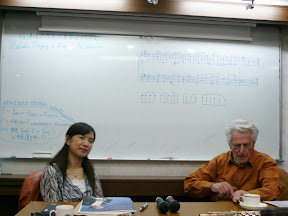
上課前倒數幾分鐘偷拍一下:P
Definitions:
Articulation: normally means technical tonguing.
"Musical Articulation":
compare to language as clearly articulation
musical pronunciation
often marked with "slurs"
"Sing": 許多老師們經常會如此指導學生
Instrumentalists imitate human voice.
Boehm said that flutist should practice arias.
Moyse's "Tone Development through interpretation"
分享他年輕時期在歌劇院管弦樂團聆聽聲樂家演唱,並以此學習音樂表現的經驗。
BUT!! "Sing"不適用於每種音樂!!
Example:
J.S. Bach Flute sonata in e minor, Mov.I
有個小號演奏家(還有Pahud XD)都吹全連,然而該旋律並非適合歌唱,美聲唱法(Bel Canto)的旋律(太多跳進音程)
Bach旋律設計為同時表現兩條旋律,而譜上slur為少數Bach自己標注的作品,目的即是為了表現兩條旋律線。
How much separate or diminuendo between the articulation: depends on
(1) tastes
(2) acoustics (Example: church vs modern building)
And be careful not to do too much!
Important: combining good articulation & taste.
Baroque music is more like speaking.
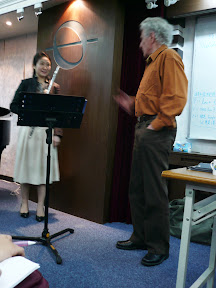
"Singing Flute":
Change the key and everything changes, but try to do the same.
Two recommendations:
1. For Baroque & Classical music (which articulation is not written):
Look for clear phrasing
Don't exaggerate but keep the melodic sense (remember the trumpeter! :P)
2. For melodic melody (Romantic period):
Singing exaggeration.
Quality of the sound is the most important! (But don't think only the sound but the music, or it would become merely nice noise which means nothing)
Expression is more important than the sound.
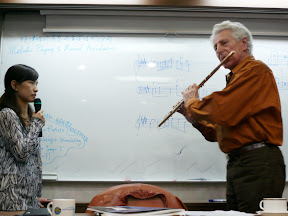
How to interpret?
Example: J.S. Bach Sonata in E
Find the harmony/write the whole piece-->improvisation-->play the original
倚音判斷方法:
(1) 長倚音:正常音符→佔主要音1/2;附點音符→佔主要音2/3
(2) 短倚音:can be anything
Example:
Bach's work 按照記譜演奏,或依照和聲判斷
Sonata in E, Mov.I 為短倚音
因為:
(1) Harmony
(2) Music sense
(3) 典型三度下行:Quantz 和 C.P.E. Bach都認為應該演奏短倚音
How to practice Berio's "Sequenza"?
(1) Do what's on the paper.
(2) Very difficult (unexpected notes, irregular rhythm and dynamics)
(3) Practice method: note only --> exact rhythm --> all dynamics(pp, mf, ff)--> the whole piece.
How to make cadenza? 最近越來越多國際比賽要求自己創作裝飾奏
(1) Begin with the chord I64
(2) Do a trill.
(3) 音階上行分解和弦(或琶音)下行/分解和弦(或琶音)上行音階下行-->再加上裝飾音
Practice one chord everyday.
讀總譜很重要,有助於了解音樂全貌。
How to play the trill: depend on its function
(1) 1700-1850: Begin with the upper note
--> for harmonic function (comes from quick appeggiatura repeating)
Mozart 屬於這類
(2) Romantic period (Beethoven~):Begin with the main note
--> like vibrato
Would you recommend your student to do any exercise?
(1) Good position.
(2) Breathing exercises.
(3) Singing (for vibrating the throat.)
相關文章:
葛拉夫大師講座首日筆記
葛拉夫大師講座次日筆記
以經典片段為例並練習,達到理想中旋律性的演奏,以及音樂性的樂句處理
上課前倒數幾分鐘偷拍一下:P
Definitions:
Articulation: normally means technical tonguing.
"Musical Articulation":
compare to language as clearly articulation
musical pronunciation
often marked with "slurs"
"Sing": 許多老師們經常會如此指導學生
Instrumentalists imitate human voice.
Boehm said that flutist should practice arias.
Moyse's "Tone Development through interpretation"
分享他年輕時期在歌劇院管弦樂團聆聽聲樂家演唱,並以此學習音樂表現的經驗。
BUT!! "Sing"不適用於每種音樂!!
Example:
J.S. Bach Flute sonata in e minor, Mov.I
有個小號演奏家(還有Pahud XD)都吹全連,然而該旋律並非適合歌唱,美聲唱法(Bel Canto)的旋律(太多跳進音程)
Bach旋律設計為同時表現兩條旋律,而譜上slur為少數Bach自己標注的作品,目的即是為了表現兩條旋律線。
How much separate or diminuendo between the articulation: depends on
(1) tastes
(2) acoustics (Example: church vs modern building)
And be careful not to do too much!
Important: combining good articulation & taste.
Baroque music is more like speaking.
"Singing Flute":
Change the key and everything changes, but try to do the same.
Two recommendations:
1. For Baroque & Classical music (which articulation is not written):
Look for clear phrasing
Don't exaggerate but keep the melodic sense (remember the trumpeter! :P)
2. For melodic melody (Romantic period):
Singing exaggeration.
Quality of the sound is the most important! (But don't think only the sound but the music, or it would become merely nice noise which means nothing)
Expression is more important than the sound.
How to interpret?
Example: J.S. Bach Sonata in E
Find the harmony/write the whole piece-->improvisation-->play the original
倚音判斷方法:
(1) 長倚音:正常音符→佔主要音1/2;附點音符→佔主要音2/3
(2) 短倚音:can be anything
Example:
Bach's work 按照記譜演奏,或依照和聲判斷
Sonata in E, Mov.I 為短倚音
因為:
(1) Harmony
(2) Music sense
(3) 典型三度下行:Quantz 和 C.P.E. Bach都認為應該演奏短倚音
How to practice Berio's "Sequenza"?
(1) Do what's on the paper.
(2) Very difficult (unexpected notes, irregular rhythm and dynamics)
(3) Practice method: note only --> exact rhythm --> all dynamics(pp, mf, ff)--> the whole piece.
How to make cadenza? 最近越來越多國際比賽要求自己創作裝飾奏
(1) Begin with the chord I64
(2) Do a trill.
(3) 音階上行分解和弦(或琶音)下行/分解和弦(或琶音)上行音階下行-->再加上裝飾音
Practice one chord everyday.
讀總譜很重要,有助於了解音樂全貌。
How to play the trill: depend on its function
(1) 1700-1850: Begin with the upper note
--> for harmonic function (comes from quick appeggiatura repeating)
Mozart 屬於這類
(2) Romantic period (Beethoven~):Begin with the main note
--> like vibrato
Would you recommend your student to do any exercise?
(1) Good position.
(2) Breathing exercises.
(3) Singing (for vibrating the throat.)
相關文章:
葛拉夫大師講座首日筆記
葛拉夫大師講座次日筆記
2008 Peter-Lukas Graf's Lectures Day 02 Notes & Pics 葛拉夫大師講座次日筆記
4月27日(日)14:00 經驗性與系統性的練習
笛聖將分享畢生珍貴的練習與教學經驗,以及有系統的長笛基本練習方式

這天大師提到他自身幼年經驗,老師叫他自由即興作為暖身,他發現自己只喜歡吹中音域,高低音域因為技巧限制不好聽都不愛吹。
Empirical Practice: keep trying--> Limited by personal experiences and techniques.
Systematical (Analytic) Practice: to find
(1) where is the problem?
(2) why difficult?
(3) exercise to solve the problem.
Technical Practice
(1) should play intelligently
(2) know why/ where the goal is
--> Avoid the risk of repeating mistake and becoming worse.
Moyse Studies:
Extremely systematic (for all possibilities)
Very difficult (not enough explanation)
--> Need good teacher for instruction & much intelligence
沒辦法練全部:因為
(1) 太多了 XD
(2) 練完之後還是會發現某技巧在曲子中忽然變得很難(心理障礙,Example: Ravel's "Daphnis et Chloe" & Mozart Concerto in D, Mov.I)
Graf "Check Up": for basic problems (the counter side of Moyse's studies)
練習方法:(1) 遇到問題去找來練;(2) 一天練半本 with control and imagine it's music (P.4)
"Sing Flute": for empirical practice.
Daily Practice:
(1) Tone/Breathing
(2) Technique
(3) Studies
(4) Pieces(分段練習技巧問題,如果不行就再回到Technique;背譜練習全曲,目標是音樂表現)
為特長句子準備:
"Check Up" No.3 -->在旋律中偷氣灌滿
BUT Bach Partita--> find possible places & play flexibly
"Check Up" No.4 --> 分別練習調整下巴、頭、嘴唇,來找最佳位置
"Check Up" No.15--> Articulation
(1) Portato: legato with articulation
(2) Detache
(3) Staccato: 打舌後停在上面
(4) Marcato: use more air rather than more tonguing. Tonguing is always piano.
Enesco 中 Legato吹法:轉換瞬間完全放鬆
"Check Up" No.5 Whistle Sound: for extremely relaxing lip!
How to overcome the stage nerve?
(1) First, concentrate on the body (forget the music or people)
(2) Think about the music
以下題外話:
據說課程開始前Graf大師看到Trevor Wye在外面玻璃櫃上簽名畫圖,所以他也來一個 XD

而且這天人比較少(也只是沒有爆滿罷了),最後留下來的都跑去合照,有沒有很羨慕呀~嘿嘿:P

相關文章:
葛拉夫大師講座首日筆記
葛拉夫大師講座三日筆記
笛聖將分享畢生珍貴的練習與教學經驗,以及有系統的長笛基本練習方式
這天大師提到他自身幼年經驗,老師叫他自由即興作為暖身,他發現自己只喜歡吹中音域,高低音域因為技巧限制不好聽都不愛吹。
Empirical Practice: keep trying--> Limited by personal experiences and techniques.
Systematical (Analytic) Practice: to find
(1) where is the problem?
(2) why difficult?
(3) exercise to solve the problem.
Technical Practice
(1) should play intelligently
(2) know why/ where the goal is
--> Avoid the risk of repeating mistake and becoming worse.
Moyse Studies:
Extremely systematic (for all possibilities)
Very difficult (not enough explanation)
--> Need good teacher for instruction & much intelligence
沒辦法練全部:因為
(1) 太多了 XD
(2) 練完之後還是會發現某技巧在曲子中忽然變得很難(心理障礙,Example: Ravel's "Daphnis et Chloe" & Mozart Concerto in D, Mov.I)
Graf "Check Up": for basic problems (the counter side of Moyse's studies)
練習方法:(1) 遇到問題去找來練;(2) 一天練半本 with control and imagine it's music (P.4)
"Sing Flute": for empirical practice.
Daily Practice:
(1) Tone/Breathing
(2) Technique
(3) Studies
(4) Pieces(分段練習技巧問題,如果不行就再回到Technique;背譜練習全曲,目標是音樂表現)
為特長句子準備:
"Check Up" No.3 -->在旋律中偷氣灌滿
BUT Bach Partita--> find possible places & play flexibly
"Check Up" No.4 --> 分別練習調整下巴、頭、嘴唇,來找最佳位置
"Check Up" No.15--> Articulation
(1) Portato: legato with articulation
(2) Detache
(3) Staccato: 打舌後停在上面
(4) Marcato: use more air rather than more tonguing. Tonguing is always piano.
Enesco 中 Legato吹法:轉換瞬間完全放鬆
"Check Up" No.5 Whistle Sound: for extremely relaxing lip!
How to overcome the stage nerve?
(1) First, concentrate on the body (forget the music or people)
(2) Think about the music
以下題外話:
據說課程開始前Graf大師看到Trevor Wye在外面玻璃櫃上簽名畫圖,所以他也來一個 XD
而且這天人比較少(也只是沒有爆滿罷了),最後留下來的都跑去合照,有沒有很羨慕呀~嘿嘿:P
相關文章:
葛拉夫大師講座首日筆記
葛拉夫大師講座三日筆記
Monday, 28 April 2008
2008 Peter-Lukas Graf's Lectures Day 01 Notes 葛拉夫大師講座首日筆記
4月26日(六)14:00 精確度(忠於原作)與自由度
探討演奏時如何保有忠於原作的精確度,以及在音樂詮釋上的自由度
What is music?
演奏音樂時要思考:
1. What does the composer(or music) mean?
2. Is the composer's idea sacred (unchangeable) or flexible?
The two ideas above lead to
(1) Historic performance practice: historical, emphasize on composer's vision.
(2) Adapted to modern time to satisfy our taste. (Use Boehm flute, and usually criticized by historians.)
But we always move between the two above.
Composer --> Original idea --> Score --> Interpretor
Interpretor --> Score --> Original idea --> Realisation
Should we be precise or have some freedom?
What is the most important in interpretation?
--> Just do what is on the paper!!
What to do?
1. Careful reading!!
2, Understanding.
There is only "ONE" accurate interpretation!
Example:
J.S. Bach: Suite in b minor
Correct in understanding the French rhythm
"Alla francese" in Telemann's sonata
Freedom --> Flexibility in an order.
The more you read, the more flexibility you have.
"Rubato": players have to be sure about the rhythm. (用節拍器練習!)
Be flexible but precise!
Rules are used as guides to avoid mistakes and to gain more flexibility.
Suggested Edition
For Bach: Urtext, Breitkopf (Edited by Kuyken)
For Mozart: Novelle (Edited by Trevor Wye) for the easier piano part.
相關文章:
葛拉夫大師講座次日筆記
葛拉夫大師講座三日筆記
探討演奏時如何保有忠於原作的精確度,以及在音樂詮釋上的自由度
What is music?
演奏音樂時要思考:
1. What does the composer(or music) mean?
2. Is the composer's idea sacred (unchangeable) or flexible?
The two ideas above lead to
(1) Historic performance practice: historical, emphasize on composer's vision.
(2) Adapted to modern time to satisfy our taste. (Use Boehm flute, and usually criticized by historians.)
But we always move between the two above.
Composer --> Original idea --> Score --> Interpretor
Interpretor --> Score --> Original idea --> Realisation
Should we be precise or have some freedom?
What is the most important in interpretation?
--> Just do what is on the paper!!
What to do?
1. Careful reading!!
2, Understanding.
There is only "ONE" accurate interpretation!
Example:
J.S. Bach: Suite in b minor
Correct in understanding the French rhythm
"Alla francese" in Telemann's sonata
Freedom --> Flexibility in an order.
The more you read, the more flexibility you have.
"Rubato": players have to be sure about the rhythm. (用節拍器練習!)
Be flexible but precise!
Rules are used as guides to avoid mistakes and to gain more flexibility.
Suggested Edition
For Bach: Urtext, Breitkopf (Edited by Kuyken)
For Mozart: Novelle (Edited by Trevor Wye) for the easier piano part.
相關文章:
葛拉夫大師講座次日筆記
葛拉夫大師講座三日筆記
Friday, 11 April 2008
Peter-Lukas Graf's Concerto & Lectures in Taiwan 2008 葛拉夫演奏會與大師講座
長笛大師葛拉夫將來台演出與座談
新象文教基金會今年慶祝三十周年,舉辦一系列大師級音樂會,四月三十日再度邀請長笛大師葛拉夫(Peter-Lukas Graf)於國家音樂廳舉行一場無伴奏長笛獨奏會,此外,葛拉夫將在台灣舉辦一系列大師講座與簽書會,將多年的演出經驗與台灣樂迷分享。
新象表示,葛拉夫2006年來台參加「國際長笛藝術節」,超凡的笛音讓樂迷們如癡如醉,今年更以八十高齡挑戰無伴奏長笛獨奏會,唐律長笛合奏團團長莊清霖表示,「以這樣的高齡還可以挑戰全場無伴奏的長笛獨奏會,即使不是後無來者,也絕對是前無古人了。」
莊清霖曾在1999年亞特蘭大的美國長笛協會中,見證葛拉夫在大師班指導一名年輕日本學生,這位學生在大師面前非常緊張,莊清霖回憶說,「大師指導她,停止吹奏時十分鐘,靜靜聆聽自己的笛音,自然這樣音準就準了。」
台灣新生代長笛演奏家林姿瑩曾與葛拉夫合作主持的演講座談會中,與大師有親身的接觸,「葛拉夫每天固定運動,訓練體能,即使已經名滿天下,他依舊每天固定練習,正是因為這樣孜孜不倦的態度,讓他可以在如此的高齡,還可以維持第一流的演出水準。」
葛拉夫曾獲得慕尼黑國際音樂比賽第一名,曾在Winterthur交響樂團和盧塞恩節日管弦樂團任首席長笛。除了擔任獨奏家和室內樂演奏家外,他也是很活躍的指揮家。(中央社)
Peter-Lukas Graf簡介:
P.-L.葛拉夫早先在蘇黎士師從Andre Jaunet學習長笛;後來考入巴黎國立音樂學院,隨Marcel Moyse和Roger Cortot學習長笛,並獲得第一獎;同時他還在巴黎國立音樂學院師從Eugene Bigot學習指揮,獲得指揮家文憑。
他曾分別在Winterthur交響樂團(Winterthur Symphony Orchestra)和盧塞恩節日管弦樂團(Lucerne Festival Orchestra)任首席長笛,這意味著他的藝術生涯開始了。21歲時,格拉夫錄製了伊貝爾(Ibert)長笛協奏曲,即此在國際樂壇上名聲鵲起。隨後,他又在慕尼克國際音樂(ARD Music Competition in Munich)比賽中榮獲第一名,這也確認了他的非凡才華。Graf除了擔任獨奏家和室內樂演奏家外,他繼續在慕尼克學習指揮。在交響樂和歌劇方面,他是個很活躍的指揮家。以後,他被聘為瑞士巴塞爾音樂學院長笛教授。
葛拉夫目前定居在瑞士巴塞爾。他身兼長笛獨奏家及交響樂和歌劇指揮之職,定期在世界各地開辦大師班,並在一些最著名的國際音樂比賽中任評委。葛拉夫的兩部長笛教學理論書Check- up(檢驗)和Interpretation(演奏)由Schott出版社出版發行,他灌錄的30多張雷射唱片則由Claves唱片公司發行。
演奏會時間地點:
2008年4月30日(二) 19:30 國家音樂廳
曲目:
上半場
Marin-Marais Les folies d'Espagne
P. Hindemith Eight Pieces
S. Mercadante Variations on Mozarts' "La ci darem la mano" (Don Giovanni)
下半場
E. von Dohnanji Passacaglia
J. Ibert Pièce
J.S. Bach Sonata G major (transcription by Peter-Lukas Graf)
講座時間與主題:(報名表下載請至新象文教基金會網站)
4月26日(六)14:00 精確度(忠於原作)與自由度
探討演奏時如何保有忠於原作的精確度,以及在音樂詮釋上的自由度
4月27日(日)14:00 經驗性與系統性的練習
笛聖將分享畢生珍貴的練習與教學經驗,以及有系統的長笛基本練習方式
4月28日(一)19:00 旋律性的演奏與音樂性的樂句處理
以經典片段為例並練習,達到理想中旋律性的演奏,以及音樂性的樂句處理
資料來源:
新象文教基金會網站
相關文章:
葛拉夫大師講座首日筆記
葛拉夫大師講座次日筆記
葛拉夫大師講座三日筆記
延伸閱讀:
笛思林-葛拉夫大師駕到
新象文教基金會今年慶祝三十周年,舉辦一系列大師級音樂會,四月三十日再度邀請長笛大師葛拉夫(Peter-Lukas Graf)於國家音樂廳舉行一場無伴奏長笛獨奏會,此外,葛拉夫將在台灣舉辦一系列大師講座與簽書會,將多年的演出經驗與台灣樂迷分享。
新象表示,葛拉夫2006年來台參加「國際長笛藝術節」,超凡的笛音讓樂迷們如癡如醉,今年更以八十高齡挑戰無伴奏長笛獨奏會,唐律長笛合奏團團長莊清霖表示,「以這樣的高齡還可以挑戰全場無伴奏的長笛獨奏會,即使不是後無來者,也絕對是前無古人了。」
莊清霖曾在1999年亞特蘭大的美國長笛協會中,見證葛拉夫在大師班指導一名年輕日本學生,這位學生在大師面前非常緊張,莊清霖回憶說,「大師指導她,停止吹奏時十分鐘,靜靜聆聽自己的笛音,自然這樣音準就準了。」
台灣新生代長笛演奏家林姿瑩曾與葛拉夫合作主持的演講座談會中,與大師有親身的接觸,「葛拉夫每天固定運動,訓練體能,即使已經名滿天下,他依舊每天固定練習,正是因為這樣孜孜不倦的態度,讓他可以在如此的高齡,還可以維持第一流的演出水準。」
葛拉夫曾獲得慕尼黑國際音樂比賽第一名,曾在Winterthur交響樂團和盧塞恩節日管弦樂團任首席長笛。除了擔任獨奏家和室內樂演奏家外,他也是很活躍的指揮家。(中央社)
Peter-Lukas Graf簡介:
P.-L.葛拉夫早先在蘇黎士師從Andre Jaunet學習長笛;後來考入巴黎國立音樂學院,隨Marcel Moyse和Roger Cortot學習長笛,並獲得第一獎;同時他還在巴黎國立音樂學院師從Eugene Bigot學習指揮,獲得指揮家文憑。
他曾分別在Winterthur交響樂團(Winterthur Symphony Orchestra)和盧塞恩節日管弦樂團(Lucerne Festival Orchestra)任首席長笛,這意味著他的藝術生涯開始了。21歲時,格拉夫錄製了伊貝爾(Ibert)長笛協奏曲,即此在國際樂壇上名聲鵲起。隨後,他又在慕尼克國際音樂(ARD Music Competition in Munich)比賽中榮獲第一名,這也確認了他的非凡才華。Graf除了擔任獨奏家和室內樂演奏家外,他繼續在慕尼克學習指揮。在交響樂和歌劇方面,他是個很活躍的指揮家。以後,他被聘為瑞士巴塞爾音樂學院長笛教授。
葛拉夫目前定居在瑞士巴塞爾。他身兼長笛獨奏家及交響樂和歌劇指揮之職,定期在世界各地開辦大師班,並在一些最著名的國際音樂比賽中任評委。葛拉夫的兩部長笛教學理論書Check- up(檢驗)和Interpretation(演奏)由Schott出版社出版發行,他灌錄的30多張雷射唱片則由Claves唱片公司發行。
演奏會時間地點:
2008年4月30日(二) 19:30 國家音樂廳
曲目:
上半場
Marin-Marais Les folies d'Espagne
P. Hindemith Eight Pieces
S. Mercadante Variations on Mozarts' "La ci darem la mano" (Don Giovanni)
下半場
E. von Dohnanji Passacaglia
J. Ibert Pièce
J.S. Bach Sonata G major (transcription by Peter-Lukas Graf)
講座時間與主題:(報名表下載請至新象文教基金會網站)
4月26日(六)14:00 精確度(忠於原作)與自由度
探討演奏時如何保有忠於原作的精確度,以及在音樂詮釋上的自由度
4月27日(日)14:00 經驗性與系統性的練習
笛聖將分享畢生珍貴的練習與教學經驗,以及有系統的長笛基本練習方式
4月28日(一)19:00 旋律性的演奏與音樂性的樂句處理
以經典片段為例並練習,達到理想中旋律性的演奏,以及音樂性的樂句處理
資料來源:
新象文教基金會網站
相關文章:
葛拉夫大師講座首日筆記
葛拉夫大師講座次日筆記
葛拉夫大師講座三日筆記
延伸閱讀:
笛思林-葛拉夫大師駕到
Thursday, 10 April 2008
23rd William Bennett International Flute Summer School 2008 班乃特國際長笛夏令營
International Flute Summer School 2008 班乃特國際長笛夏令營
Time: 10th - 20th August, 2008
Place: Frensham Heights, Farnham, England
Teachers:
Michie Bennett, Denis Bouriakov, Unji Chung, Zsuzsa Vamosi Nagy, Giedrius Gelgotas - Teaching Assistants
John Reid , Piano
Application Address:
William Bennett International Flute Summer School
50 Lansdowne Gardens, London SW8 2EF UK
Tel: +44(0)202 7498 9807
Email: Mmichie@msn.com
Suggested Repertoire List:
Technical:
Taffanel & Gaubert: Methode Pt. II
Moyse: Sonorité; Tone development, 24 Little Melodic Studies
Andersen: Studies Op. 15
Solo Repertoire:
Bach: Sonatas, Suite, & Partita, Sinfonia (Cantata 209)
Mozart: Concertos in D and G. Major, Flute and Harp Concerto, Andante K215, K616, Rondo
Schubert: Arpeggione Sonata, Trockne Blumen, 6 Songs arr. Boehm
Enesco: Cantabile et Presto
Godard: Suite
Gaubert: Nocturne & Allegro Scherzando, Fantasie, Madrigal, Sonatas
Griffes: Poem
Hue: Fantaise
Hanson: Serenade
Hahn: Variations on a Theme of Mozart
Beethoven: Romance in F, Sonata in B flat, Spring Sonata, Serenade
Piazzolla: L’Histoire du Tango
Villa Lobos: The Jet Whistle, Bachianas Brasileiras No. 6
Taffanel: Opera Fantasies
Dvorak: Romance
Solo pieces by Ibert, Debussy, Berio, Honegger, Dohnanyi, C. P. E. Bach, Telemann, R. Bennett
Sonatas by Poulenc, Prokofiev, Hindemith, Martinu, Reinecke, Dutilleux, Sancan, Franck, Mendelssohn.
Concertos by Arnold, Dodgson, Reinecke, C. P. E. Bach, J. S. Bach , Haydn, Schwindel, Jolivet and Ibert.
資料來源:
William Bennett Flute.com
Time: 10th - 20th August, 2008
Place: Frensham Heights, Farnham, England
Teachers:
Michie Bennett, Denis Bouriakov, Unji Chung, Zsuzsa Vamosi Nagy, Giedrius Gelgotas - Teaching Assistants
John Reid , Piano
Application Address:
William Bennett International Flute Summer School
50 Lansdowne Gardens, London SW8 2EF UK
Tel: +44(0)202 7498 9807
Email: Mmichie@msn.com
Suggested Repertoire List:
Technical:
Taffanel & Gaubert: Methode Pt. II
Moyse: Sonorité; Tone development, 24 Little Melodic Studies
Andersen: Studies Op. 15
Solo Repertoire:
Bach: Sonatas, Suite, & Partita, Sinfonia (Cantata 209)
Mozart: Concertos in D and G. Major, Flute and Harp Concerto, Andante K215, K616, Rondo
Schubert: Arpeggione Sonata, Trockne Blumen, 6 Songs arr. Boehm
Enesco: Cantabile et Presto
Godard: Suite
Gaubert: Nocturne & Allegro Scherzando, Fantasie, Madrigal, Sonatas
Griffes: Poem
Hue: Fantaise
Hanson: Serenade
Hahn: Variations on a Theme of Mozart
Beethoven: Romance in F, Sonata in B flat, Spring Sonata, Serenade
Piazzolla: L’Histoire du Tango
Villa Lobos: The Jet Whistle, Bachianas Brasileiras No. 6
Taffanel: Opera Fantasies
Dvorak: Romance
Solo pieces by Ibert, Debussy, Berio, Honegger, Dohnanyi, C. P. E. Bach, Telemann, R. Bennett
Sonatas by Poulenc, Prokofiev, Hindemith, Martinu, Reinecke, Dutilleux, Sancan, Franck, Mendelssohn.
Concertos by Arnold, Dodgson, Reinecke, C. P. E. Bach, J. S. Bach , Haydn, Schwindel, Jolivet and Ibert.
資料來源:
William Bennett Flute.com
Wednesday, 9 April 2008
Oxford Flute Summer School 2008 牛津長笛夏令營
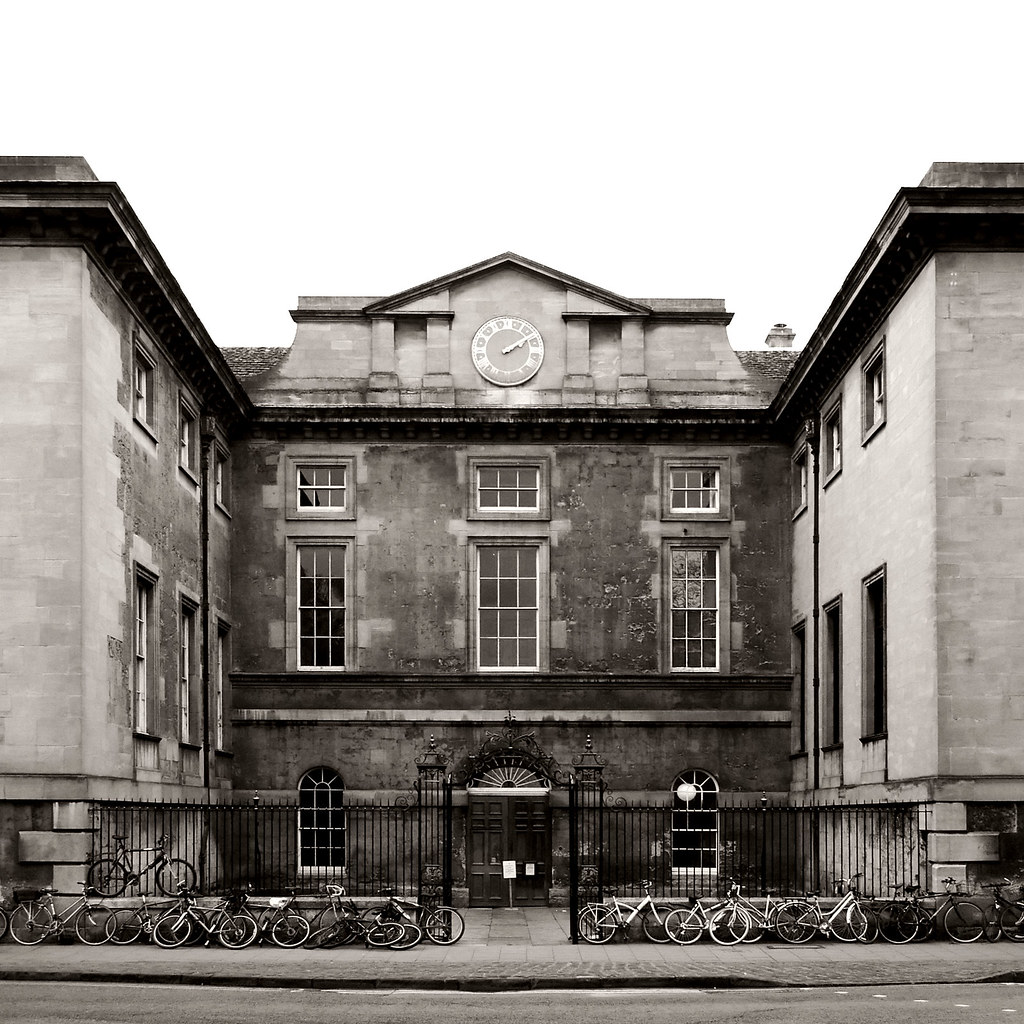
Photo created by Daveybot, used under a Creative
common license.
Place: Worcester College, Oxford
Time: 10-15 August 2008
Teachers:
Peter Lloyd
Michael Cox
Kate Hill
Timothy Hutchins, Montreal Symphony Orchestra
Since 1986 Oxford Flute Summer School has been host to some of the most respected teachers and players in the world. Jacques Zoon, Jeanne Baxtresser, Michel Debost, Peter-Lukas Graf and Timothy Hutchins are just some of those who have joined with our resident professor Peter Lloyd, to secure an international reputation for the summer school. In 2008 Peter Lloyd is joined by Michael Cox and Kate Hill.
資料來源:
http://www.oxford-flutes.co.uk/
Tuesday, 25 March 2008
陳惠湄藝術講堂:平義久的"神聖之音系列" Pics & Little Notes

相當有趣的講座,融合長笛演奏、作曲與音樂學(也是聽眾組合 XD)。
雖然我當天迷路,但還算及時在開場前趕到,也碰到了許久不見的 黃貞瑛老師耶 :D
以下是我在Youtube找到唯一的平義久作品演奏錄影,雖然不是神聖之音 (Hierophonie) ,但其共通音樂特色(例如:人聲喊叫、七度音程轉位使用等)仍然相當明顯喔~
平義久(Yoshihisa Taira): Convergence I pour Marimba solo
Subscribe to:
Posts (Atom)
Image works are licensed under a Creative Commons Attribution-Noncommercial-No Derivative Works 2.5 Taiwan License.
Text works are licensed under a Creative Commons Attribution-Noncommercial-No Derivative Works 2.5 Taiwan License.